


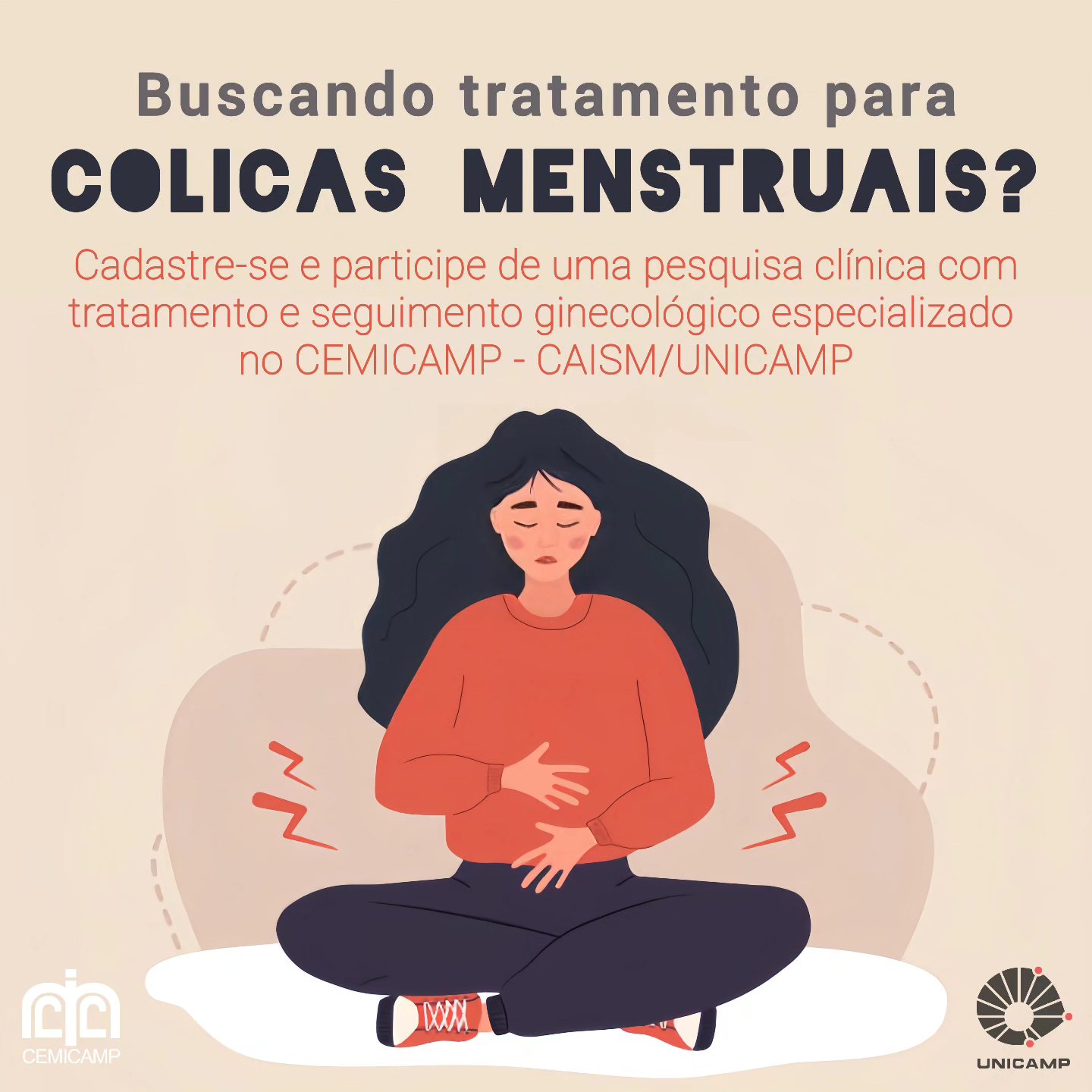
Recrutamento para tratamento de cólicas menstruais
Estamos recrutando mulheres, de 16 a 35 anos de idade, interessadas em tratar, de forma gratuita, cólicas menstruais moderadas ou intensas.
Caso deseje participar desta pesquisa clínica acesse o formulário de cadastro pelo link abaixo:
Caso não se encaixe neste perfil, você ainda pode nos ajudar compartilhando com conhecidas.
O CEMICAMP desenvolve e assessora pesquisas, além de realizar intervenções nas áreas de saúde, direitos sexuais e reprodutivos desde 1978.
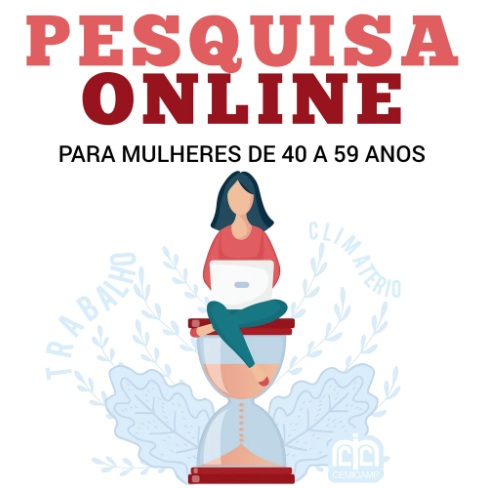
Recrutamento para pesquisa Online - Menopausa e Trabalho
Acesse o formulário clicando aqui
Este é um estudo que está sendo realizado por pesquisadores da UNICAMP e tem como objetivo investigar o impacto dos sintomas da menopausa na saúde física e mental e na capacidade para o trabalho de mulheres no período do climatério. Mesmo que não esteja na menopausa, você poderá responder a este estudo se:
- Tiver de 40 a 59 anos- Tiver trabalho remunerado- Não utilizar método contraceptivo hormonal (Mirena, pílulas ou injeções)
- Não estar fazendo tratamentos para câncer (radio e quimio)

Acesse o formulário clicando aqui
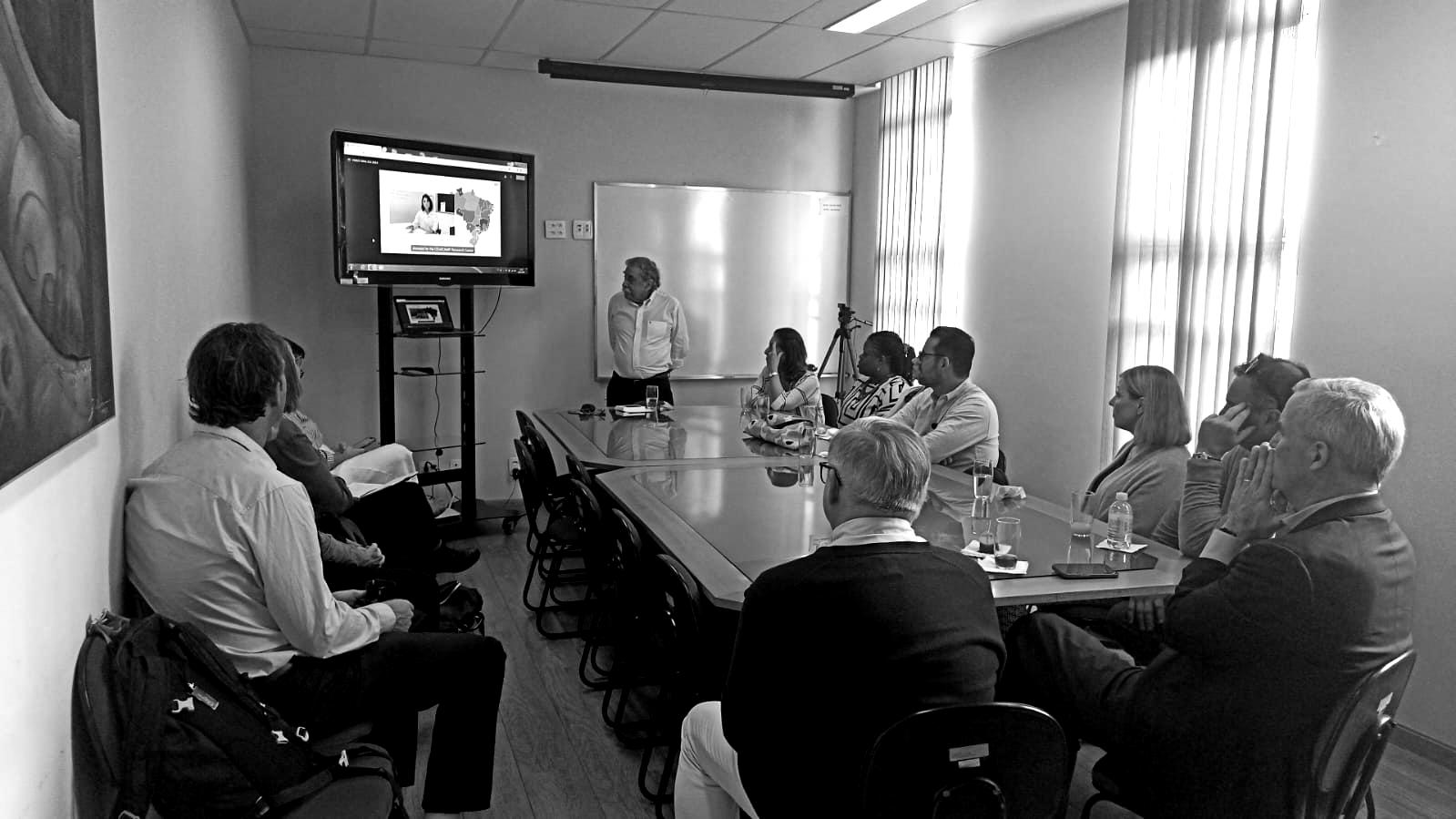
CEMICAMP Receives Special Visit from ICA Foundation and Population Council: A Successful Partnership in Reproductive Health
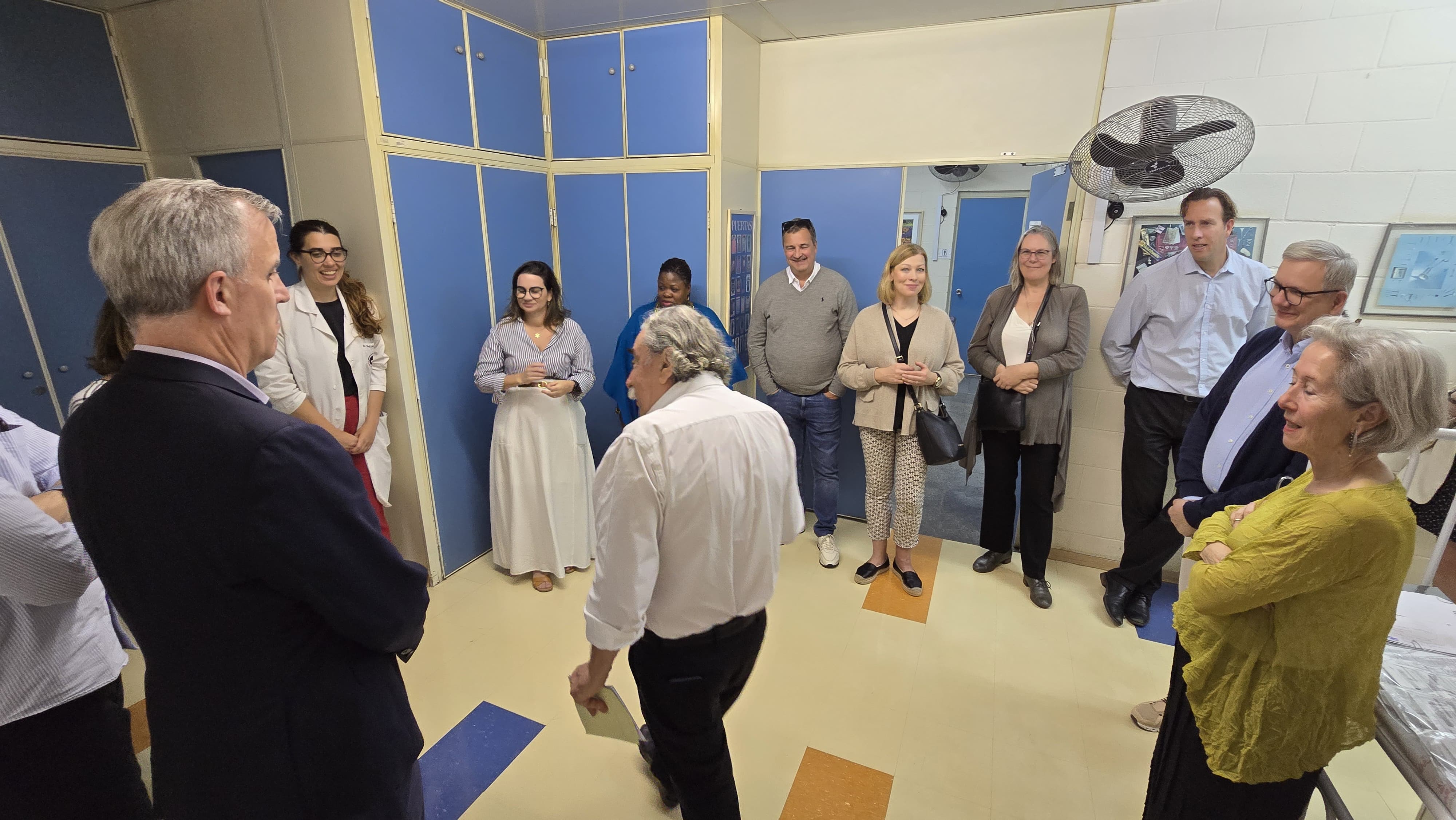
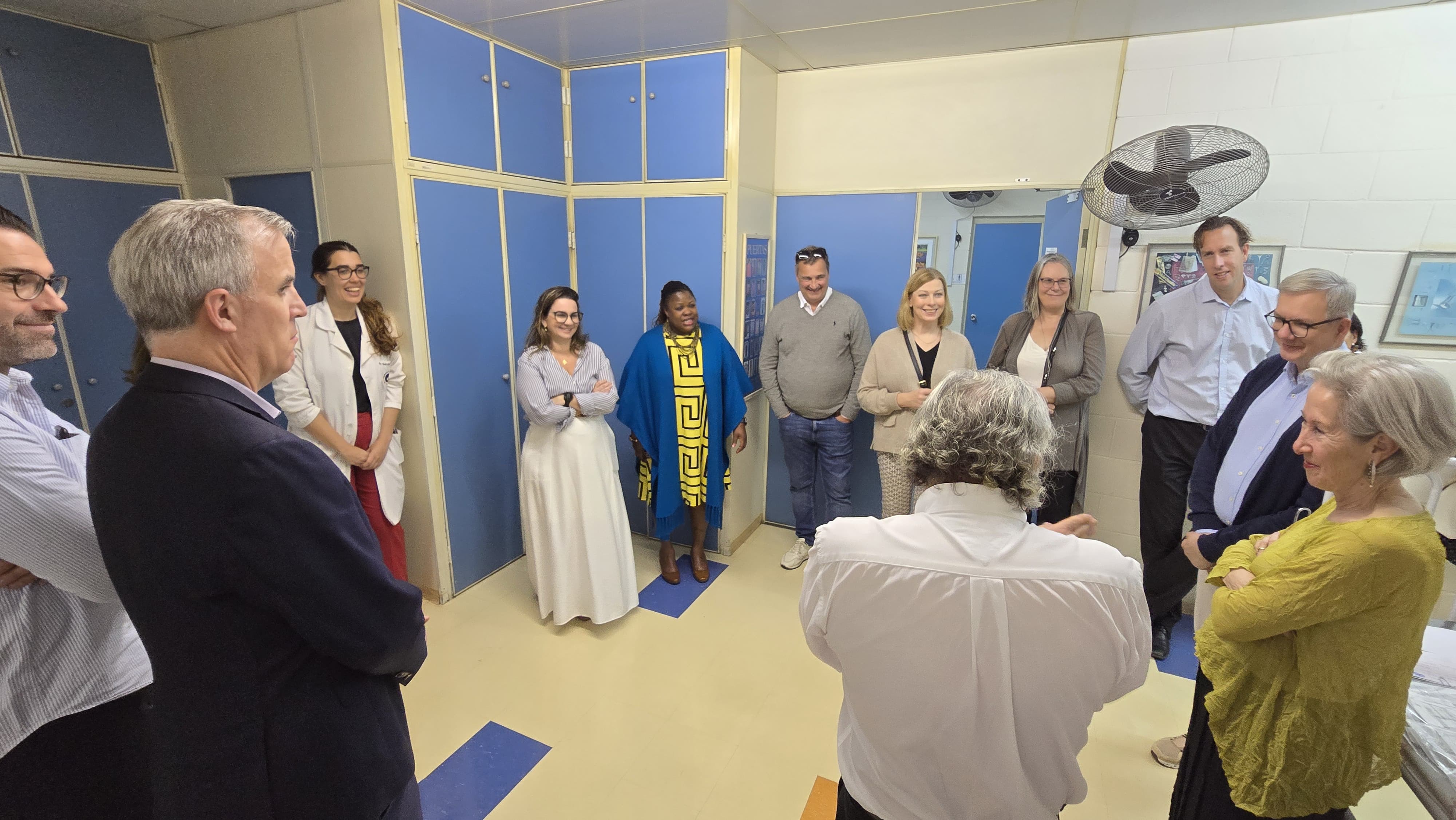
On November 21, 2024, the Campinas Reproductive Health Research Center (CEMICAMP) had the honor of receiving an international delegation from the ICA Foundation and the Population Council, reaffirming the importance of the partnership between these institutions in advancing global reproductive health.
About ICA
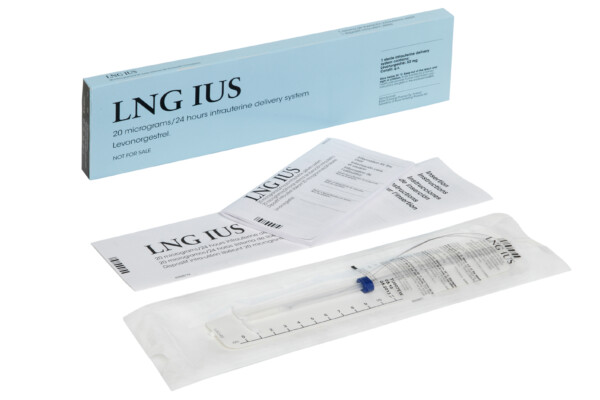
 Founded in December 2003, the ICA Foundation is the result of a collaboration between Bayer AG, a global leader in specialized pharmaceuticals, and the Population Council, an international non-profit organization. The Foundation's mission is to provide hormonal intrauterine devices (LNG-IUS) on a non-profit basis, expanding access to contraceptives in low- and middle-income countries. With nearly 250,000 devices donated in 47 countries, the ICA Foundation has been essential in promoting family planning and reproductive health in vulnerable communities.
CEMICAMP
CEMICAMP is one of the leading reproductive health research centers in Brazil, affiliated with the State University of Campinas (UNICAMP). Recognized for its scientific excellence, CEMICAMP conducts clinical studies, develops health policies, and promotes access to quality services for women throughout Brazil.
Dr. Luis Bahamondes: Leader in Reproductive Health
President of CEMICAMP, Dr. Luis Bahamondes, Emeritus Professor and Full Professor in the Department of Obstetrics and Gynecology at the State University of Campinas (UNICAMP), is internationally recognized for his contribution to research in contraception and reproductive health. His leadership has been essential in implementing and expanding the use of the LNG-IUS in Brazil, benefiting thousands of women and fostering scientific advancements.
"The LNG-IUS is highly valued by women seeking a long-acting, reversible, and highly effective contraceptive. In addition to contraceptive benefits, it provides significant relief for those suffering from heavy or abnormal uterine bleeding — a condition affecting about 35% of women of reproductive age. In many regions of Brazil, donations from the ICA Foundation represent the primary, and often the only, access to this essential intrauterine device, making it an indispensable resource for reproductive health."
ICA Foundation & CEMICAMP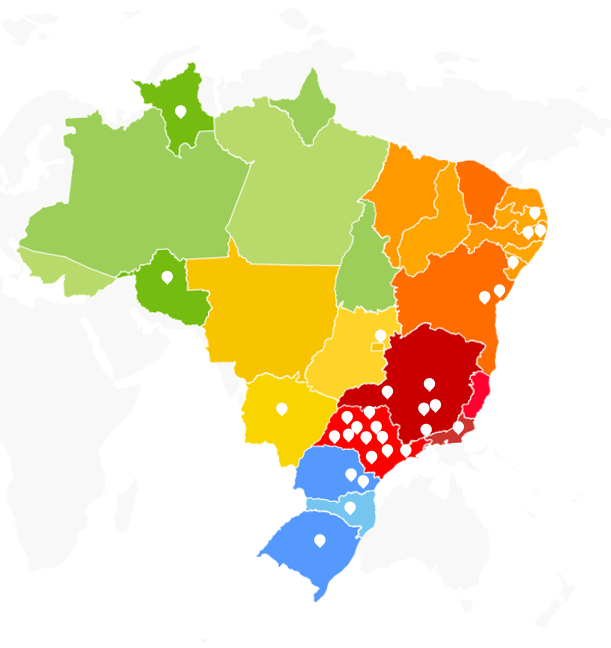
Since 2007, the collaboration between ICA Foundation and CEMICAMP has stood out not only for achieving its initial goal of providing intrauterine devices (IUDs) to public health networks but also for its academic impact. The partnership has resulted in over 60 articles published in scientific journals and the defense of 13 academic theses, consolidating the scientific relevance of the work being done.
In addition, through CEMICAMP, hormonal IUDs (LNG-IUS) provided by ICA Foundation, as well as copper IUDs, are sent to more than 30 centers in 14 Brazilian states, expanding the project's reach and contributing to the health of thousands of women across the country.
Population Council
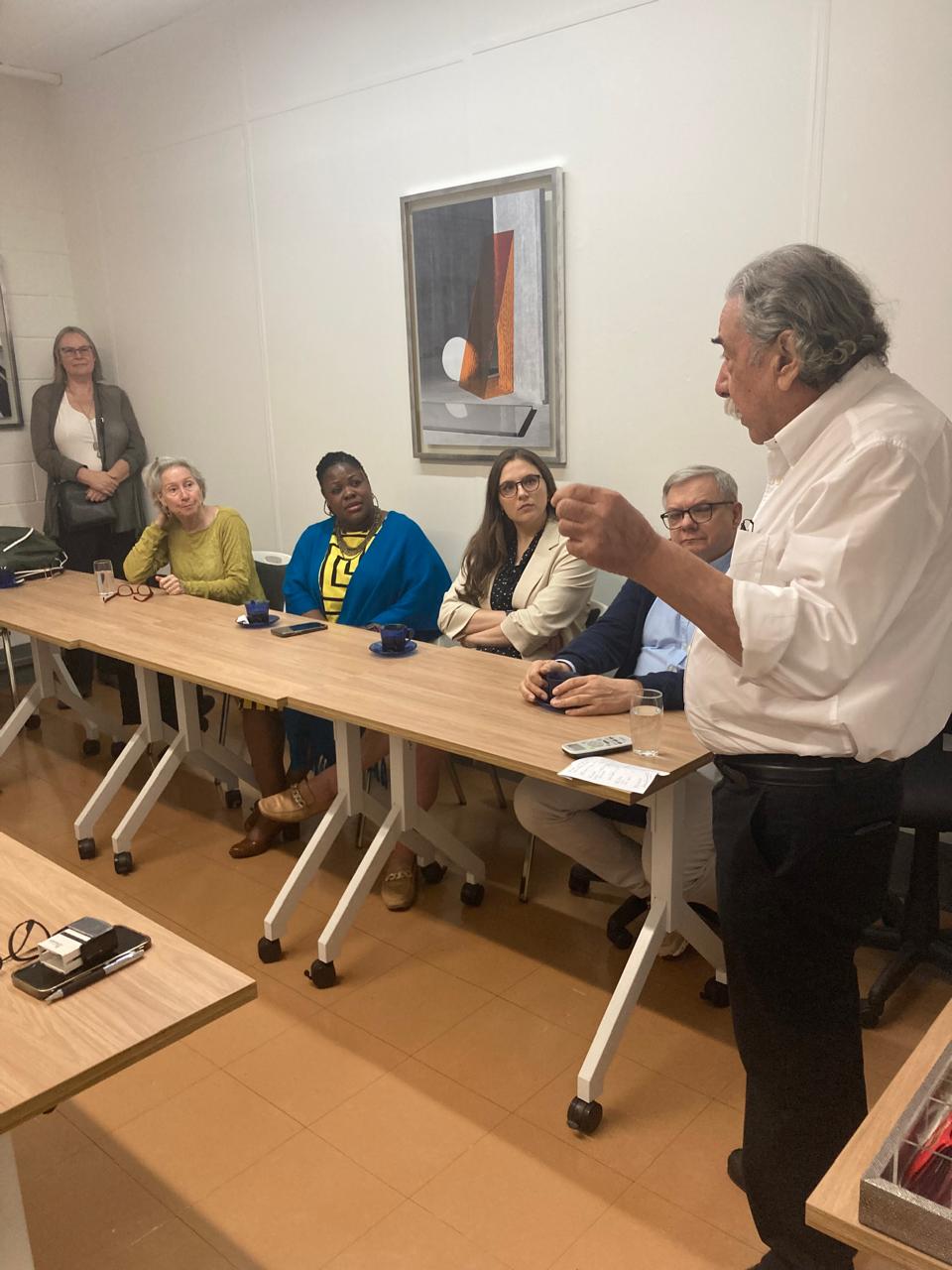
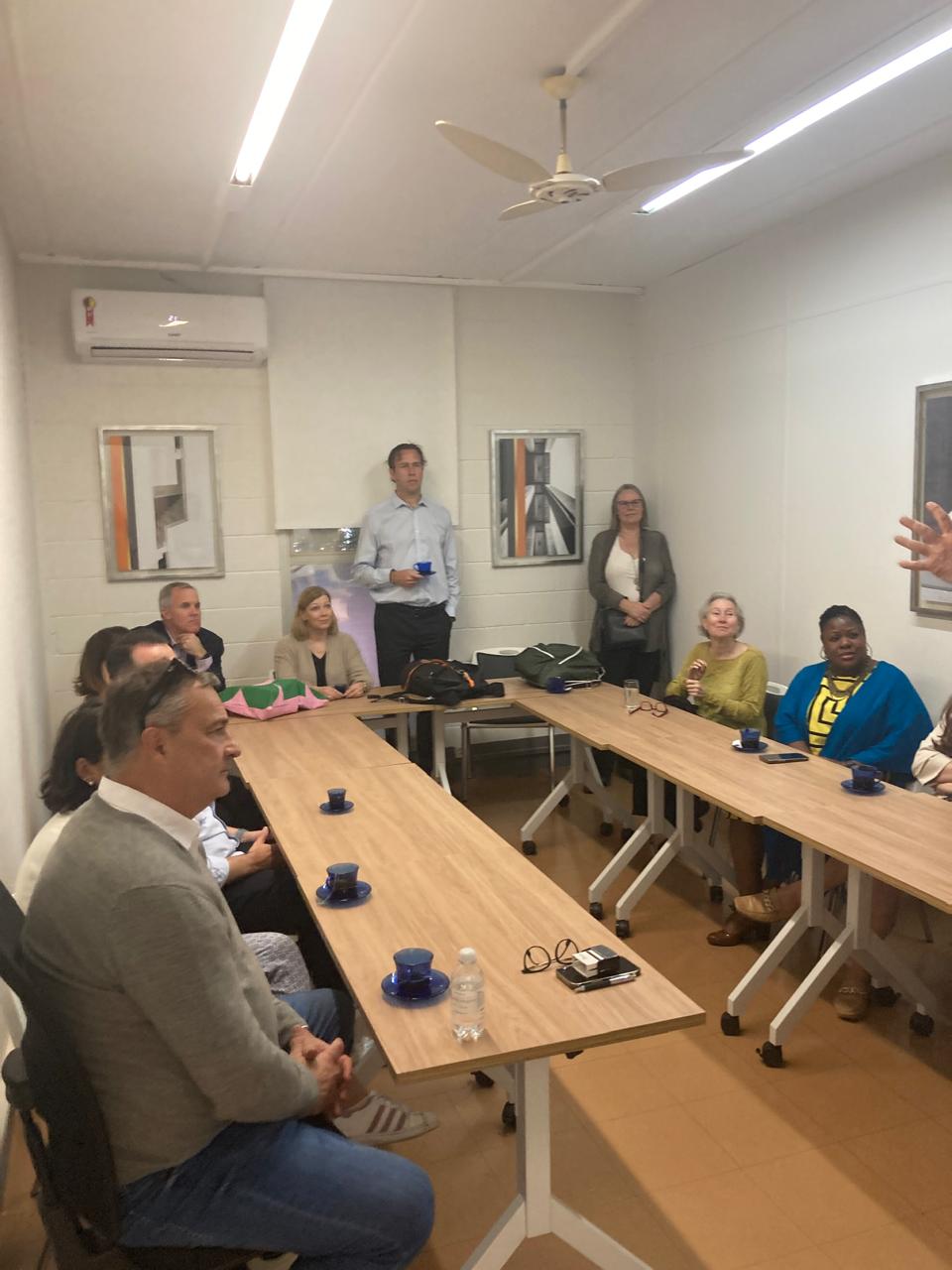
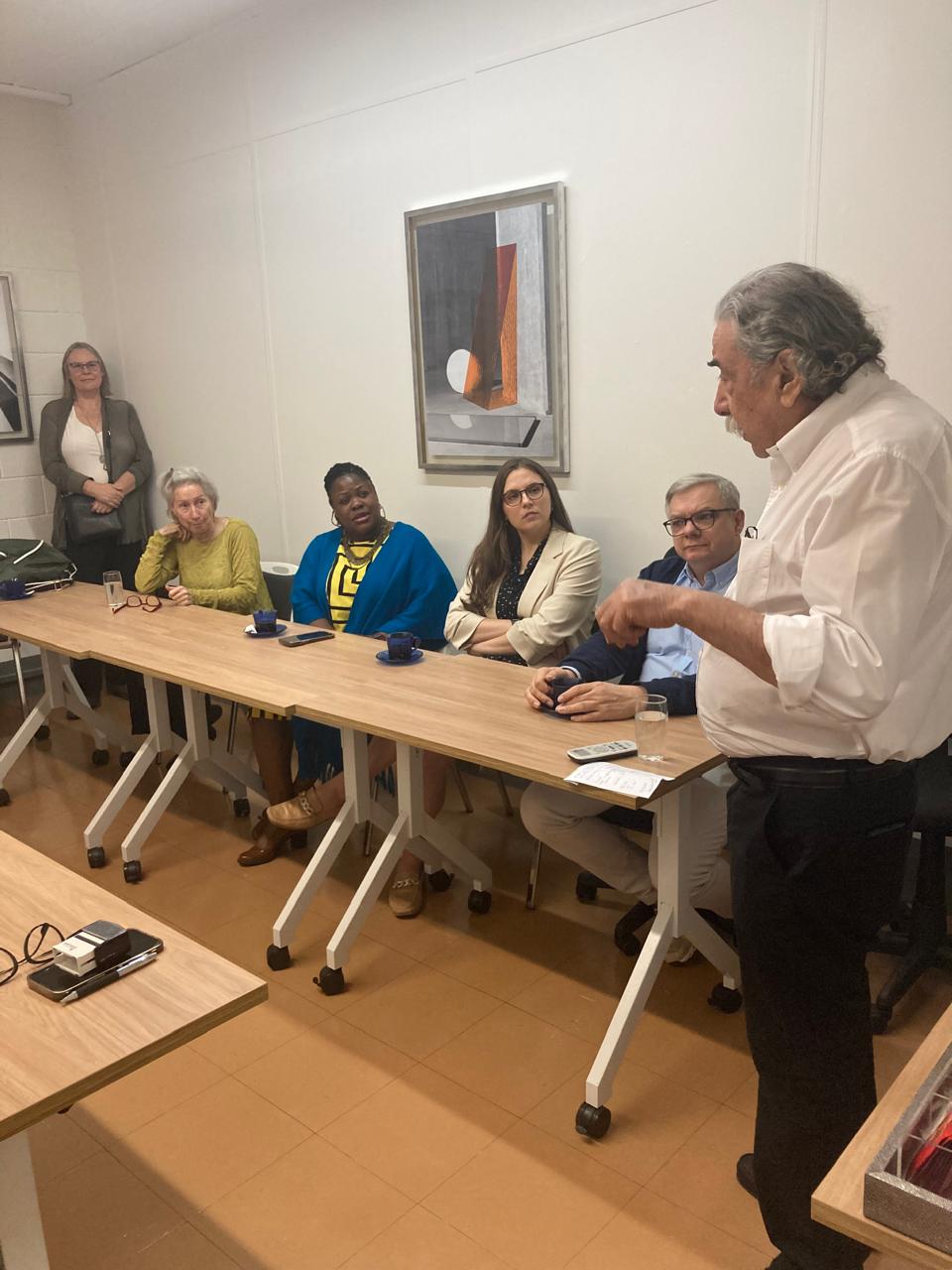
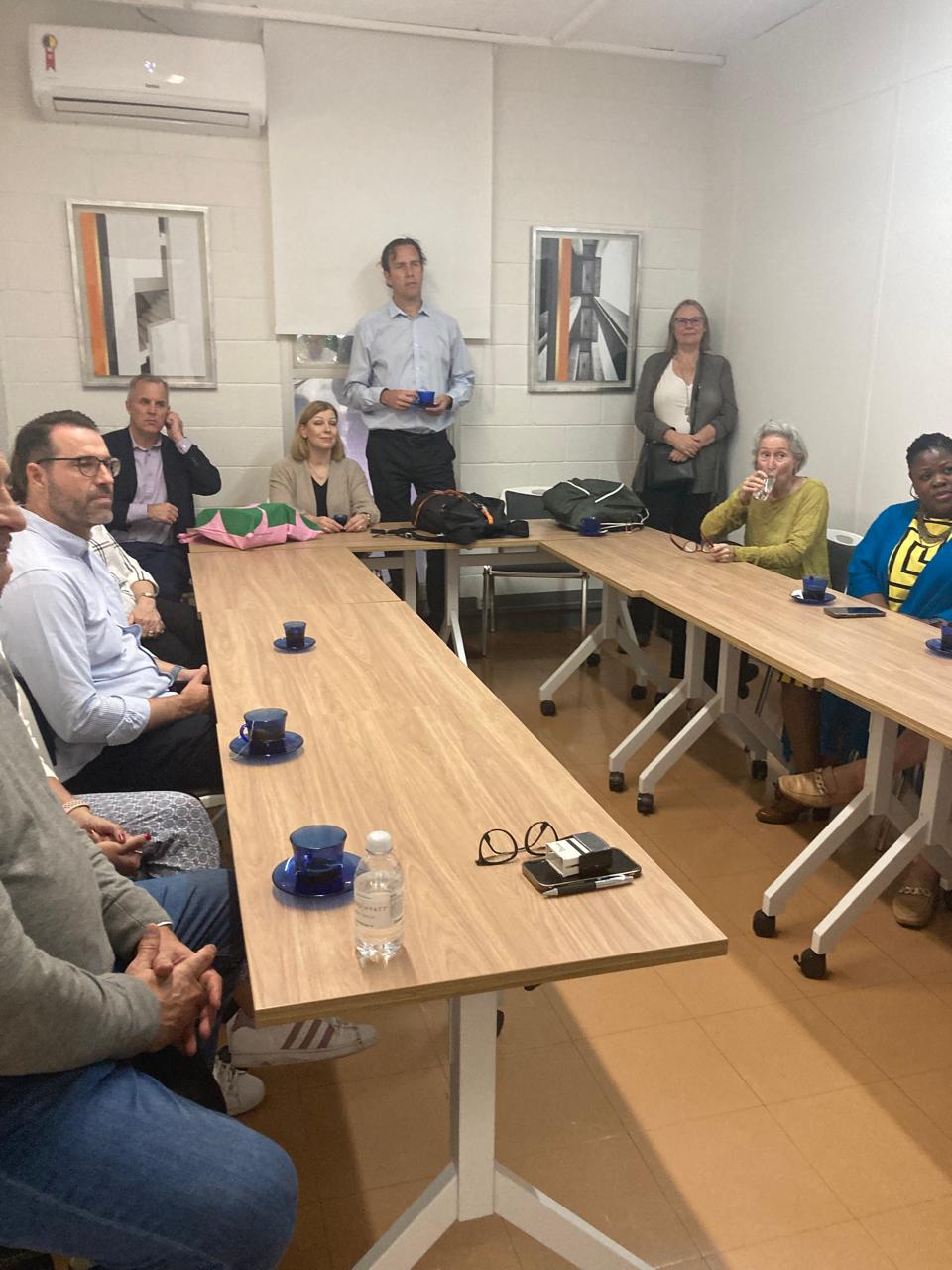
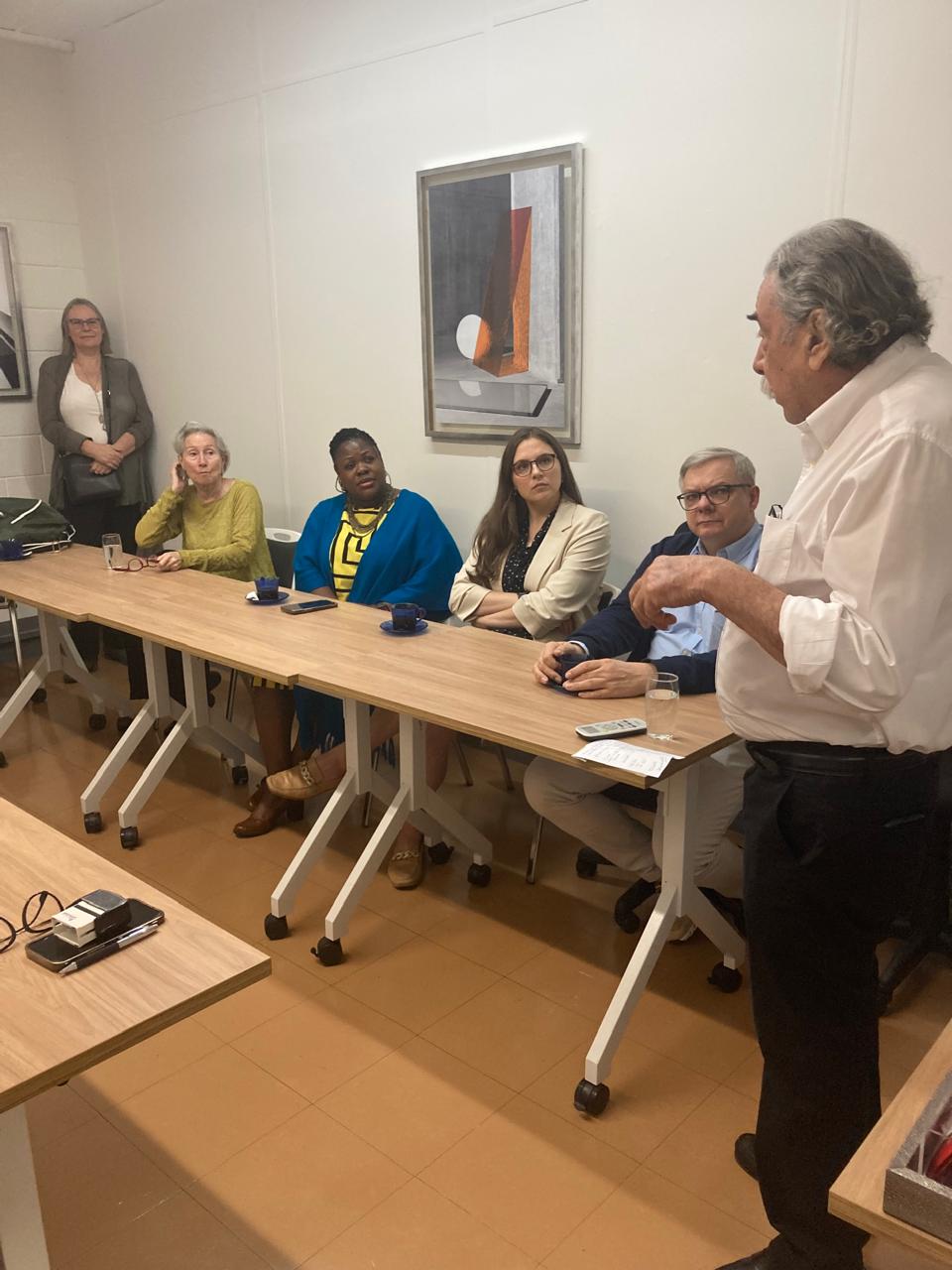
The visit on November 21, 2024, was attended by high-level representatives from the ICA Foundation and the Population Council, strengthening the ties between the institutions:
- Lorna Begg (EUA)
- James (Jim) Sailer (EUA)
- Frank Strelow (Alemanha)
- Nahla Abdel-Tawab (Egito)
- Juhani Syrjala (Finlândia)
- Milly Nanyombi Kaggwa (Uganda)
- Anne Cecile Pfitzer (EUA)
- Maria M. Vivas Pérez (Colômbia)
- Marcel Van Valen (Holanda)
- Carolyn Louise Westhoff (EUA)
- Kai Risse (Alemanha)
- Karen Joanna Holopainen (Finlândia)
Impact and Future of the Collaboration
 This innovative partnership not only expands access to high-quality contraceptive methods but also fosters scientific research and health professional training. The exchange of experiences during the visit highlighted the transformative impact of the collaboration and reaffirmed the commitment of all parties involved to promoting reproductive health, women's empowerment, and equity in access to care.
The joint work between the ICA Foundation and CEMICAMP continues to deliver lasting benefits, strengthening health systems and building a solid foundation for future advancements in reproductive health.
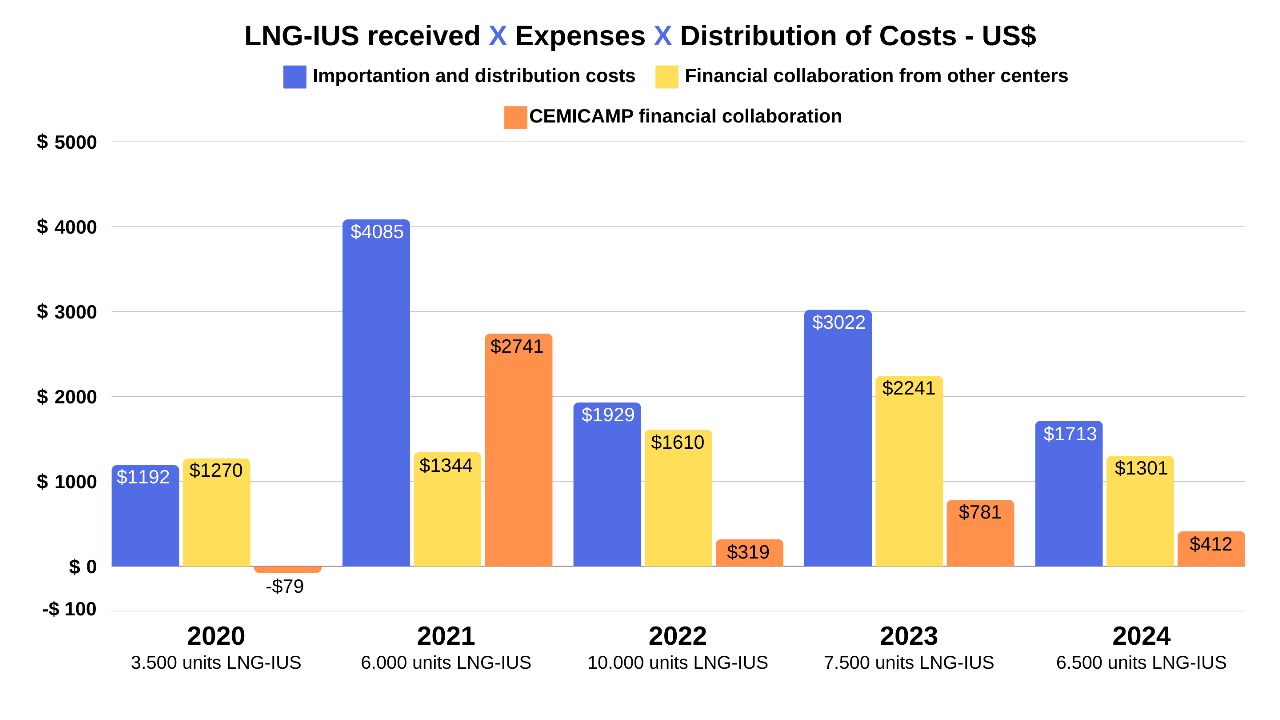
Partnership between CEMICAMP and ICA Foundation: Promoting Reproductive Health Since 2007
Since 2007, the Campinas Reproductive Health Research Center (CEMICAMP) has maintained a strategic partnership with the ICA Foundation, a global organization dedicated to access to contraceptive methods and the strengthening of public health policies. This collaboration has played a key role in expanding access to long-acting, highly effective contraceptive options, especially for low-income populations in Brazil.
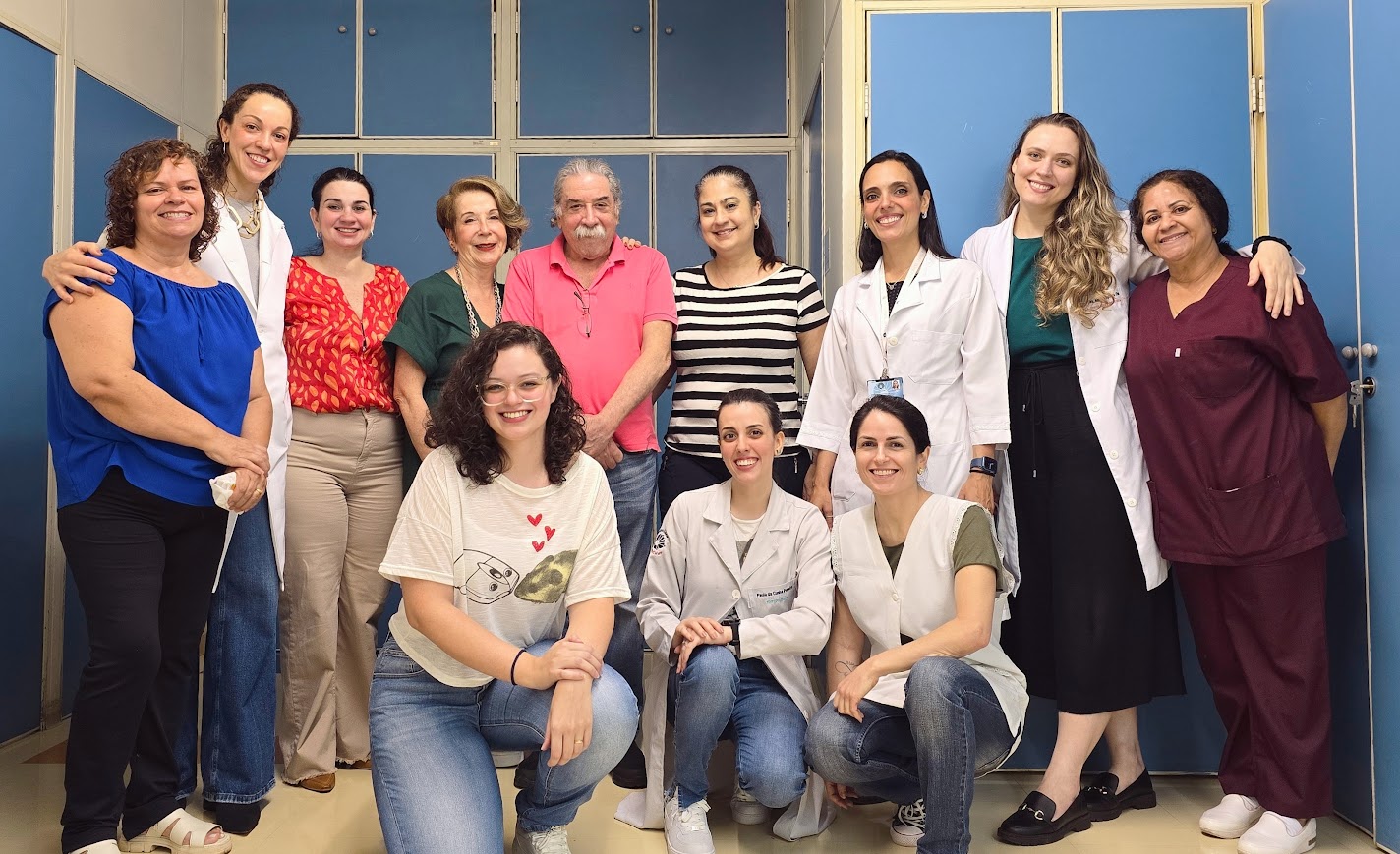 Benefits for Public Health and Research
- Expansion of access to hormonal IUD:
- Thousands of devices have been provided over the years, allowing women who otherwise wouldn't have access to this method the opportunity for choice and reproductive control.
- Strengthening of scientific research:
- The donation of devices by the ICA Foundation has enabled the conduct of clinical studies at CEMICAMP, generating valuable data on the efficacy, safety, and acceptability of the hormonal IUD in various contexts. These studies have influenced health policies and guided clinical practice in Brazil and internationally.
- Social and educational impact:
- Healthcare professionals received specialized training in the management and insertion of the SIU-LNG, promoting reproductive health education and improving care in public and private institutions.
- Contribution to the sustainability of the healthcare system:
- The expanded use of the hormonal IUD contributes to the reduction of healthcare system costs by preventing complications related to unintended pregnancies and reducing the need for more complex treatments.
This partnership is an example of how collaborations between non-governmental organizations, philanthropic foundations, and research centers can generate a significant and sustainable impact on global health. Over more than 15 years, the joint work between CEMICAMP and the ICA Foundation has contributed to women's empowerment and improved the quality of life for women throughout Brazil.
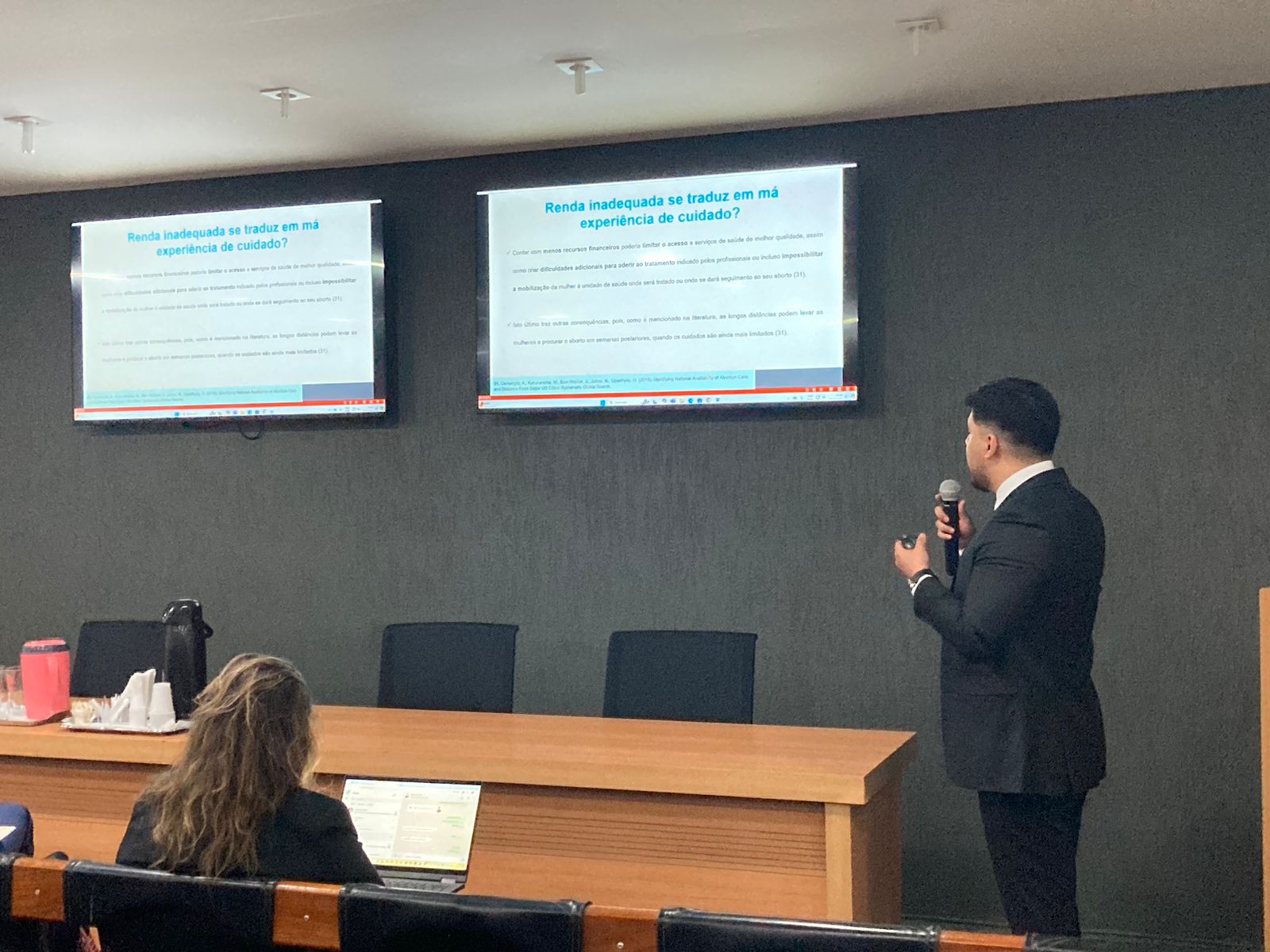
Luis Marcelo Noles Rodríguez, HUB/WHO master's student, defends his dissertation.
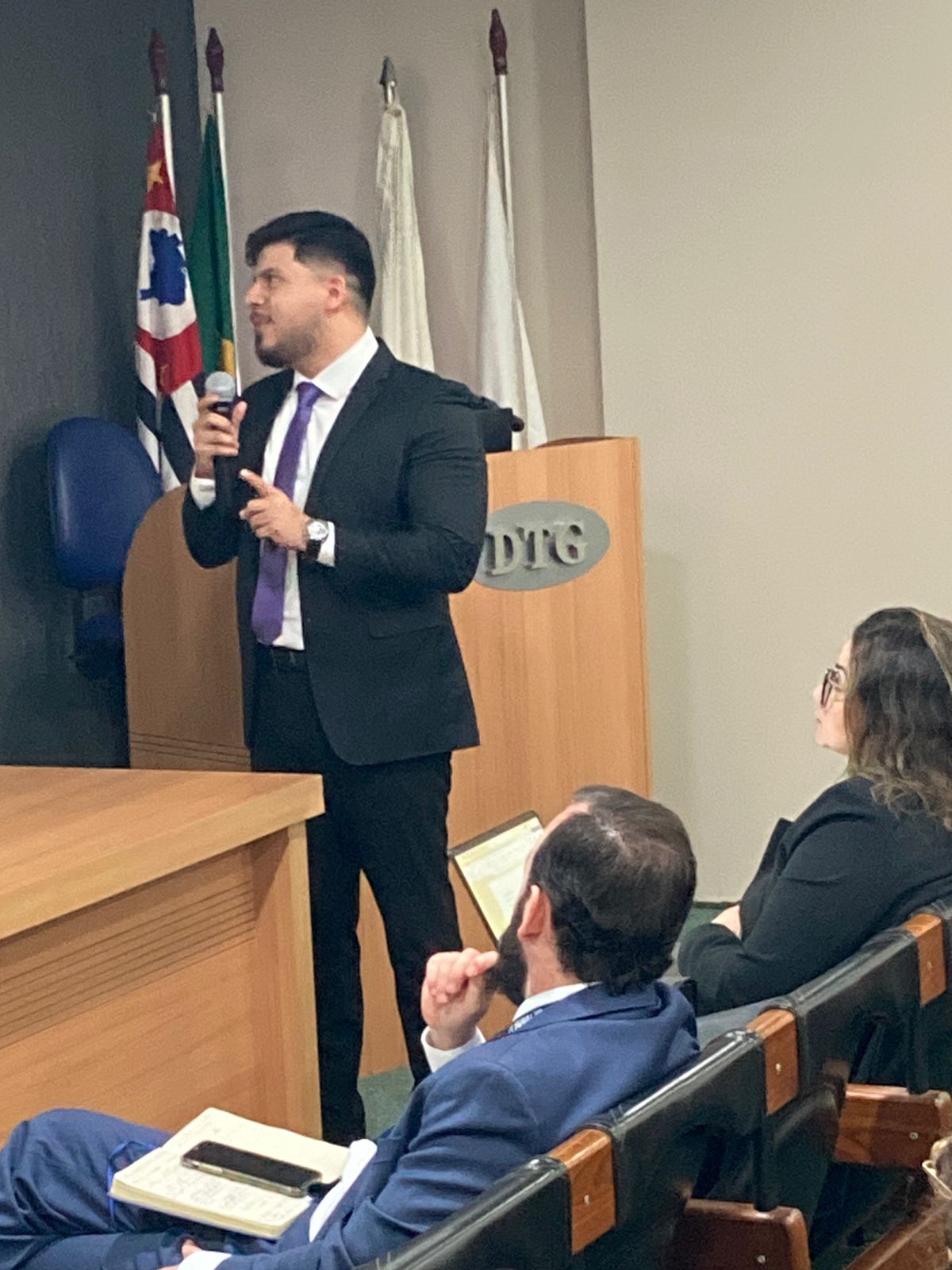 Today, 29/08/2024, master's student Luis Marcelo Noles Rodríguez defended his dissertation titled "Satisfaction and Care Experience Among Women with Complications Related to Early Pregnancy Loss in Brazil," under the coordination of Prof. Dr. Luiz Francisco Cintra Baccaro.
The student has a scholarship from HUB/WHO/CEMICAMP. Congratulations on the achievement, Marcelo!
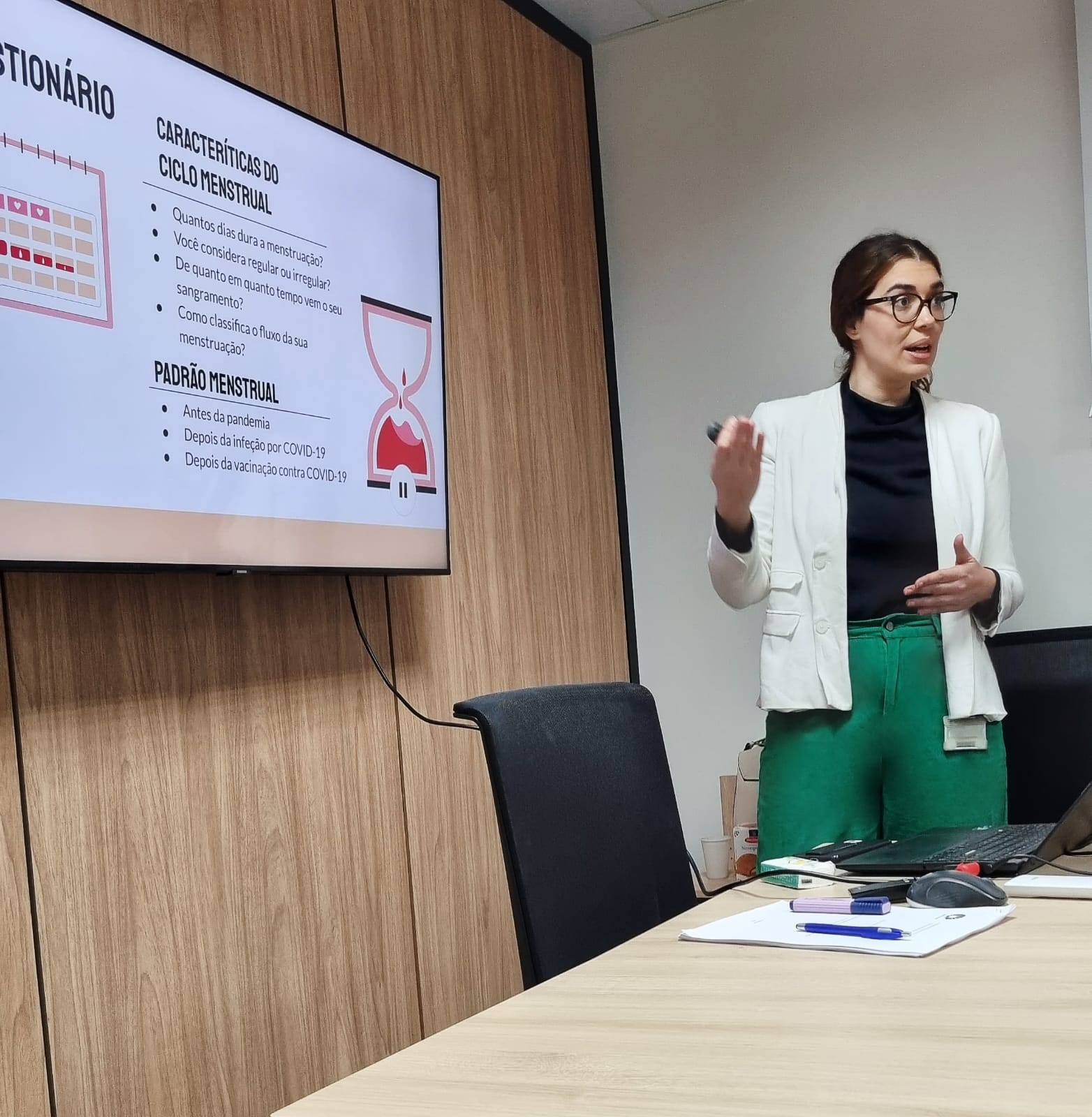
Master’s student and physician at CEMICAMP Clinical Research, Ana Claudia Henrique Marcelino, defends her thesis.
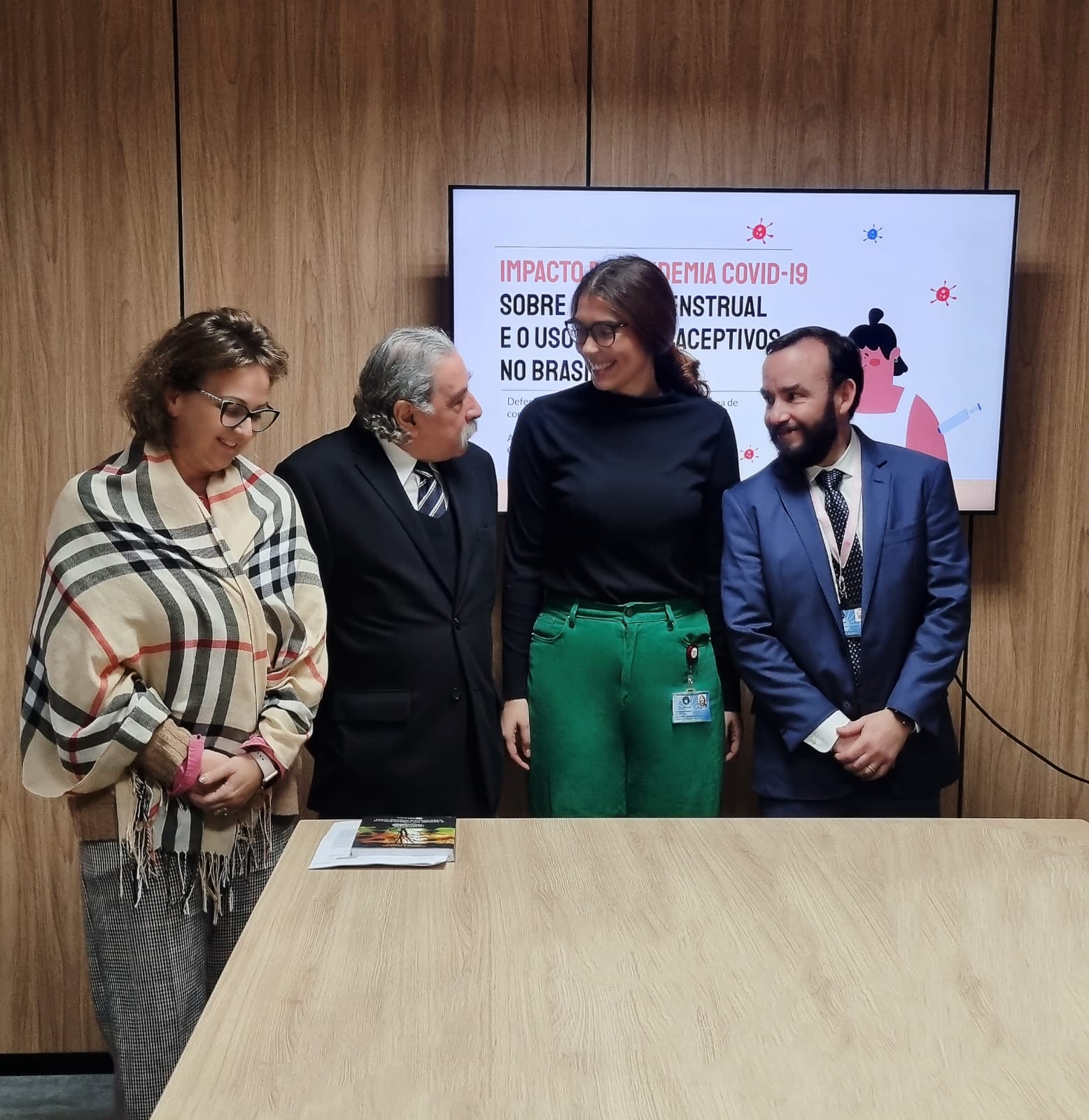 On August 28, 2024, master's student and physician at CEMICAMP Clinical Research, Ana Claudia Henrique Marcelino, defended her thesis titled "IMPACT OF THE COVID-19 PANDEMIC ON MENSTRUAL CYCLE AND CONTRACEPTIVE USE IN BRAZIL," under the supervision of Prof. Dr. Luis Bahamondes.
Congratulations on the achievement, Ana!
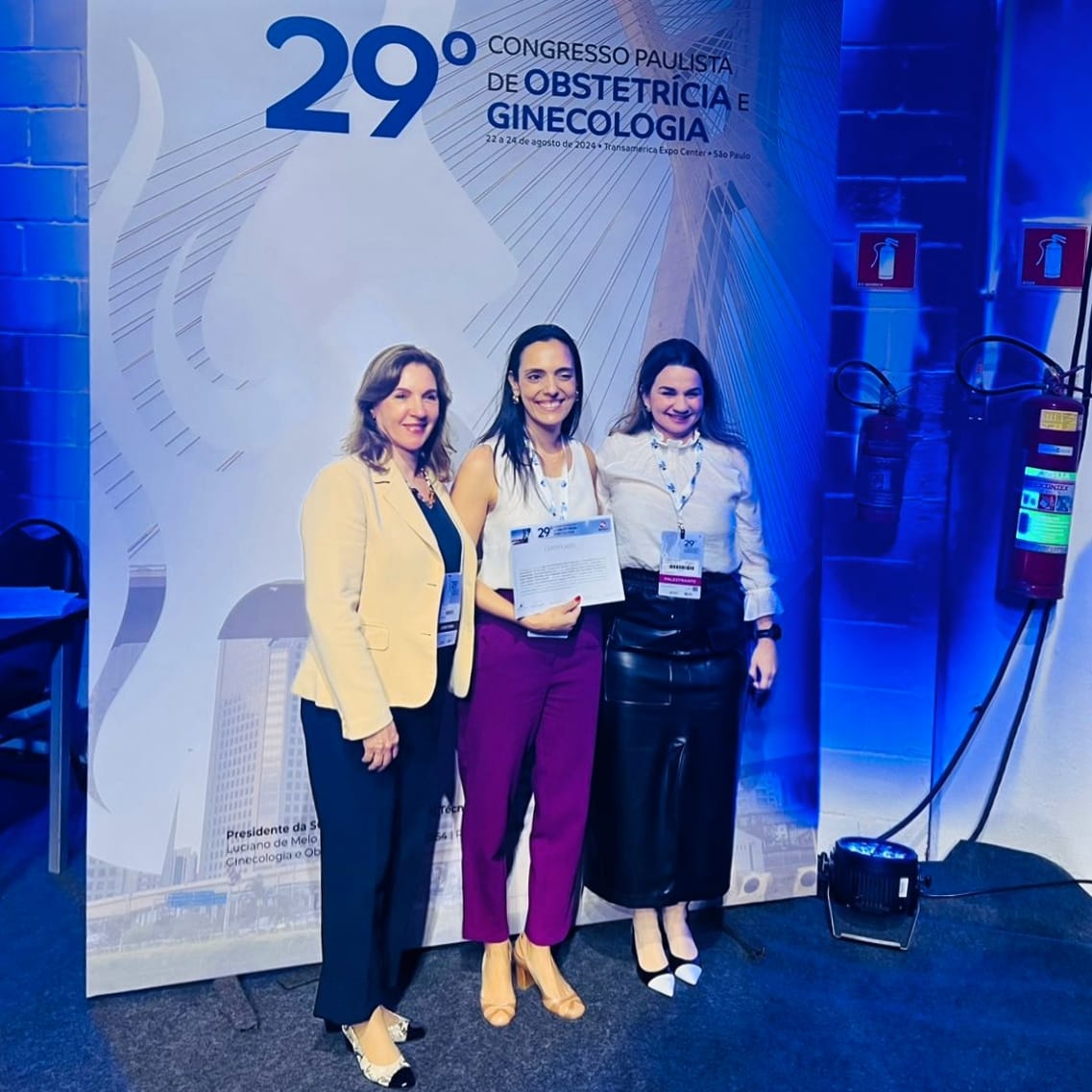
UNICAMP/CEMICAMP Researchers Stand Out at the 29th SOGESP Congress
The 29th Congress of the Society of Obstetrics and Gynecology of the State of São Paulo (SOGESP) brought significant recognition to the researchers from the Department of Tocoginecology at the Faculty of Medical Sciences of the State University of Campinas (UNICAMP). Three studies developed by UNICAMP/CEMICAMP researchers were awarded, standing out in the field of Gynecology.
1st place: The study "Complications Related to the Frequency of Vaginal Pessary Hygiene in Women with Genital Prolapse: Randomized Clinical Trial" (G312) achieved the highest position in the field of Gynecology. This study, conducted by Cássia Raquel Teatin Juliato, Geovanna Volta Giorgenon, Luiz Gustavo Oliveira Brito, and Edilson Benedito de Castro, investigated the relationship between the frequency of vaginal pessary hygiene and the occurrence of complications in women with genital prolapse.
2nd place: The study "Gene Expression Associated with Unfavorable Vaginal Bleeding in Women Using the Subdermal Etonogestrel Contraceptive Implant: A Prospective Study" (G240) was also widely recognized, securing 2nd place. Led by Flavia Rocha Torelli and co-authored by Raquel Peres, Ilza Maria Urbano Monteiro, Iscia Terezinha Lopes Cendes, Luis Guillermo Bahamondes, and Cássia Raquel Teatin Juliato, the study offers new insights into the biological mechanisms related to vaginal bleeding in users of the etonogestrel implant.
4th place: Another awarded study was "Comparison of Unilateral vs. Bilateral Tibial Nerve Stimulation in Women with Overactive Bladder Syndrome: Randomized Clinical Trial" (G237), which secured 4th place. Developed by Edilson Benedito de Castro, Cássia Raquel Teatin Juliato, Leticia Martinelli Galhardo, Geovanna Volta Giorgenon, Luiz Gustavo Oliveira Brito, and Marina Rótoli da Silva, the study compared the efficacy of unilateral and bilateral tibial nerve stimulation approaches for the treatment of overactive bladder syndrome.
These awards reinforce UNICAMP's commitment to excellence in scientific research and its contribution to advancing women's health.
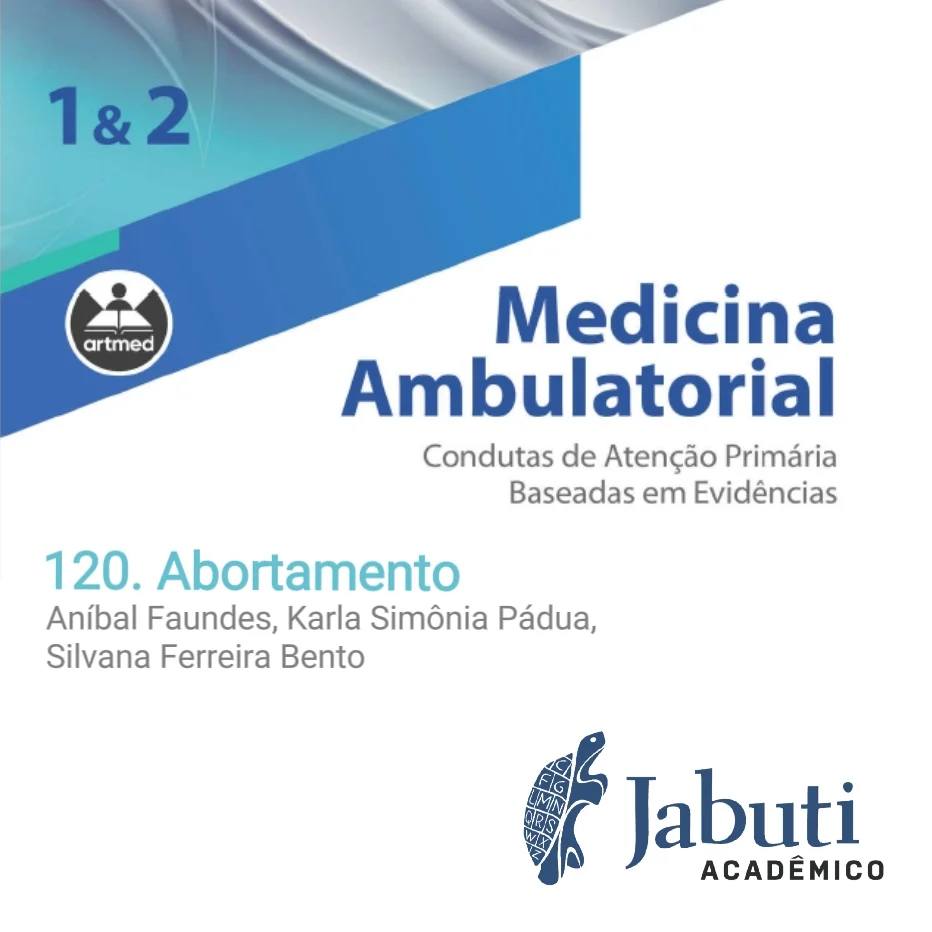
El libro “Medicina Ambulatorial”, de la Editorial Artmed y Grupo A, recibe el Premio Jabuti Académico
The book "Medicina Ambulatorial," by Artmed Publishing and Grupo A, receives the Academic Jabuti Award
The book "Medicina Ambulatorial," published by Artmed Publishing and Grupo A, was awarded the Academic Jabuti Award in the Classic Academic Book category for 2024. This distinction highlights the relevance and quality of the work.
Chapter 120, titled "Abortamento," was written by Dr. Anibal Faúndes, senior researcher and former president of CEMICAMP, whose contribution to gynecology and obstetrics is widely recognized. Along with Silvana Bento and Karla Simonia Pádua, researchers from Unicamp and CEMICAMP, the chapter addresses the topic of abortion with depth and clarity, offering a valuable resource for both medical practice and academic research.
The recognition of the Jabuti Award reinforces the importance of the work as a cornerstone in the teaching and practice of ambulatory medicine, highlighting the authors' contribution to the advancement of knowledge in the health field.
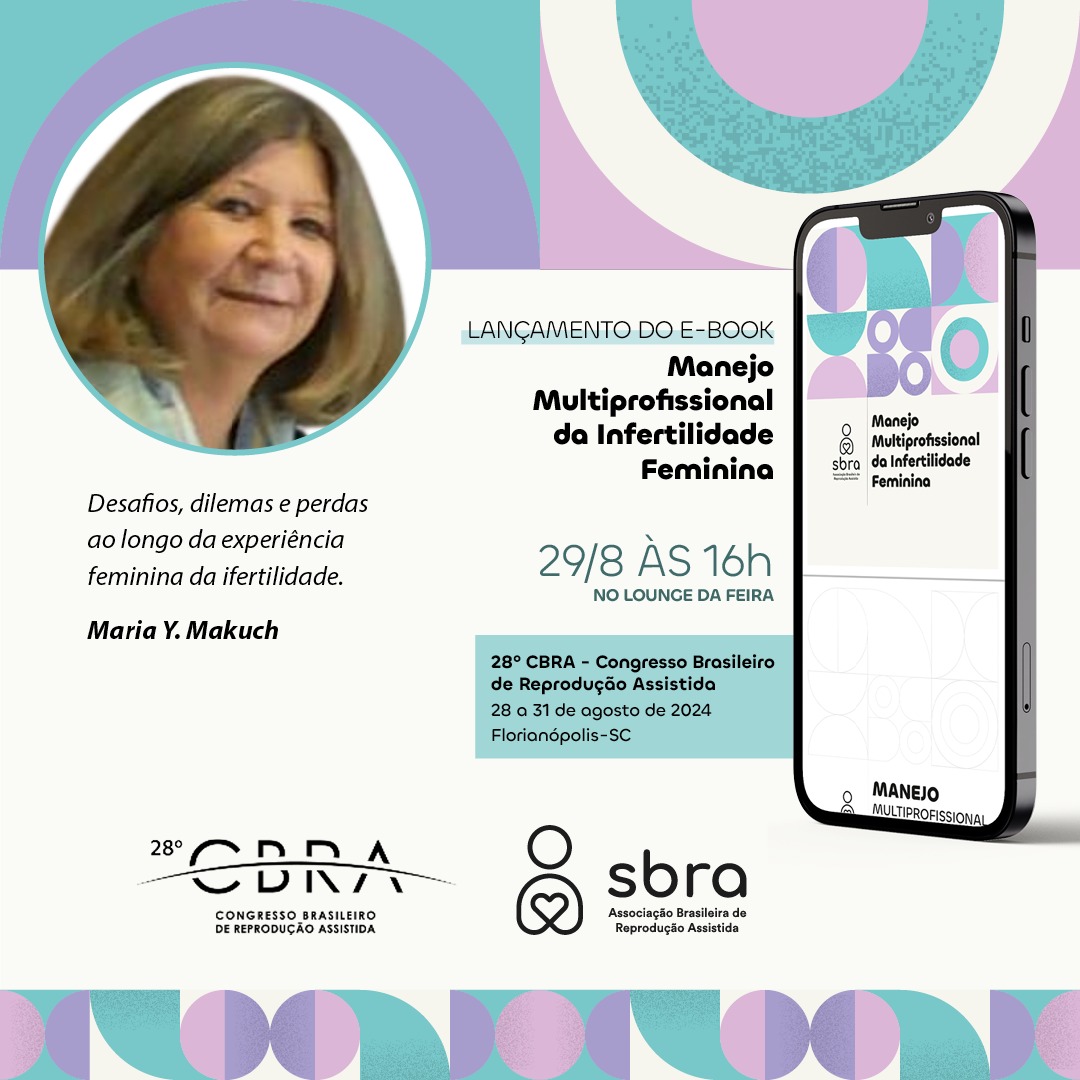
Lanzamiento del E-book sobre Infertilidad Femenina en el 28º CBRA
Durante el 28º Congreso Brasileño de Reproducción Asistida (CBRA), que se lleva a cabo del 28 al 31 de agosto de 2024 en Florianópolis-SC, se lanzará el e-book "Desafíos, Dilemas y Pérdidas a lo Largo de la Experiencia Femenina de la Infertilidad," de Maria Y. Makuch, investigadora de CEMICAMP.
El lanzamiento está programado para el 29 de agosto a las 16 h, en el Lounge de la Feria, y forma parte de una serie de actividades enfocadas en el manejo multiprofesional de la infertilidad femenina, tema central del Congreso de este año.
Organizado por la Asociación Brasileña de Reproducción Asistida (SBRA), el evento reunirá a especialistas para discutir los desafíos y avances en el campo de la reproducción asistida.
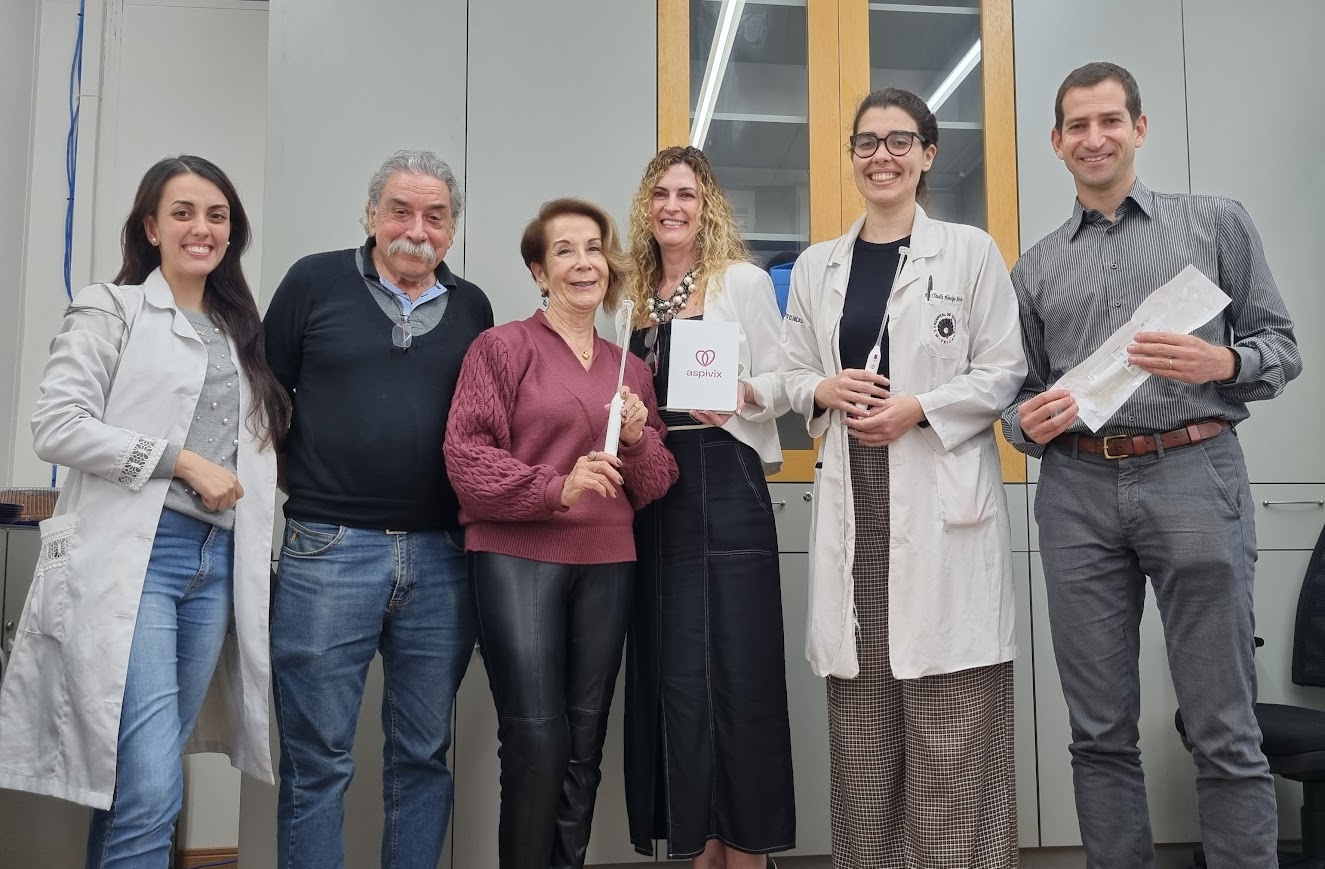
"CEMICAMP Advances in Women's Health with the Implementation of Carevix in Brazil"
Last week, the Centro de Pesquisas em Saúde Reprodutiva de Campinas (CEMICAMP) had the honor of hosting Julien Finci, CTO of Aspivix, for a training session on the innovative Carevix device. This training marks an important advancement in our efforts to enhance women’s health by collecting real-world data on the use of Carevix in Latin America.Na semana passada, o Centro de Pesquisas em Saúde Reprodutiva de Campinas (CEMICAMP) teve a honra de receber Julien Finci, CTO da empresa Aspivix, para uma sessão de treinamento sobre o inovador dispositivo Carevix. Este treinamento marca um avanço importante em nossos esforços para aprimorar a saúde da mulher, coletando dados do mundo real sobre o uso do Carevix na América Latina.
We are excited to announce that Cemicamp has become an Ambassador site for Carevix, thanks to the support of Prof. Dr. Luis Bahamondes and Bayer Pharmaceuticals. This partnership will enable thousands of women in low- and middle-income countries to access safe and effective contraceptive methods.
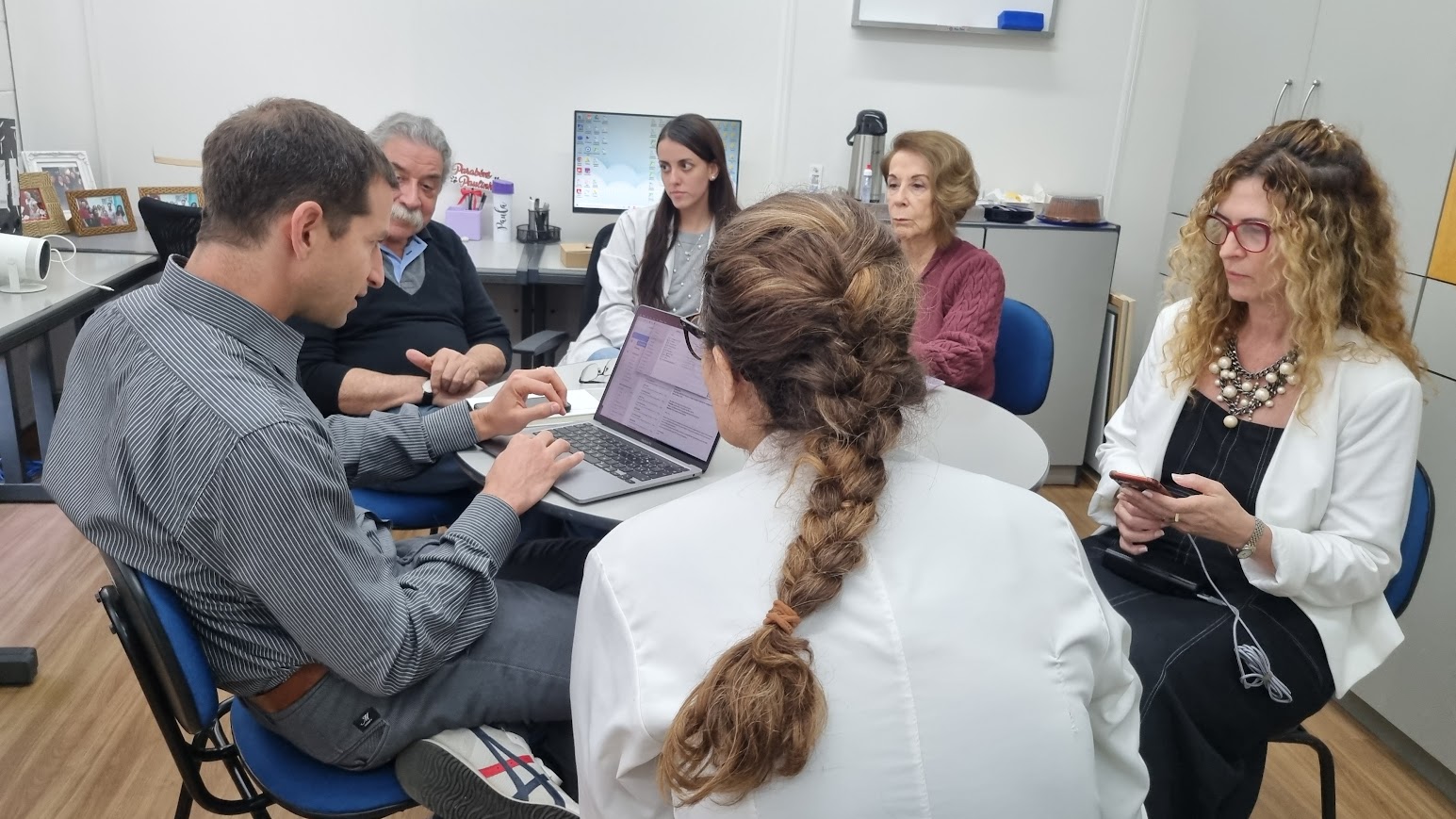 During the training session, we had the pleasure of working with:
Prof. Dr. Luis Bahamondes, President of CEMICAMP and Principal Investigator
Dr. Ana Claudia Henrique Marcelino, Medical Researcher and Sub-Investigator
Ximena Espejo-Arce, Research Nurse
Paula da Cunha Pereira, Research Nurse and Clinical Research Coordinator
Vilma Zotarelli, Study Coordinator
The dedication and expertise of these professionals in the field of family planning and gynecology are truly inspiring. Together, we are paving the way for safer and more effective solutions in women’s health.
Our goal with this collaboration is to enhance data collection in real-world settings, ensuring that Carevix continues to meet the needs of both healthcare professionals and patients. The enthusiasm and commitment demonstrated by the Cemicamp team were remarkable, and we are confident that this partnership will provide invaluable insights.
We will continue to expand our network of Ambassador sites and drive innovation in gynecology, always with the focus on pushing the boundaries of women's health.
Let’s continue advancing and promoting women’s health!